





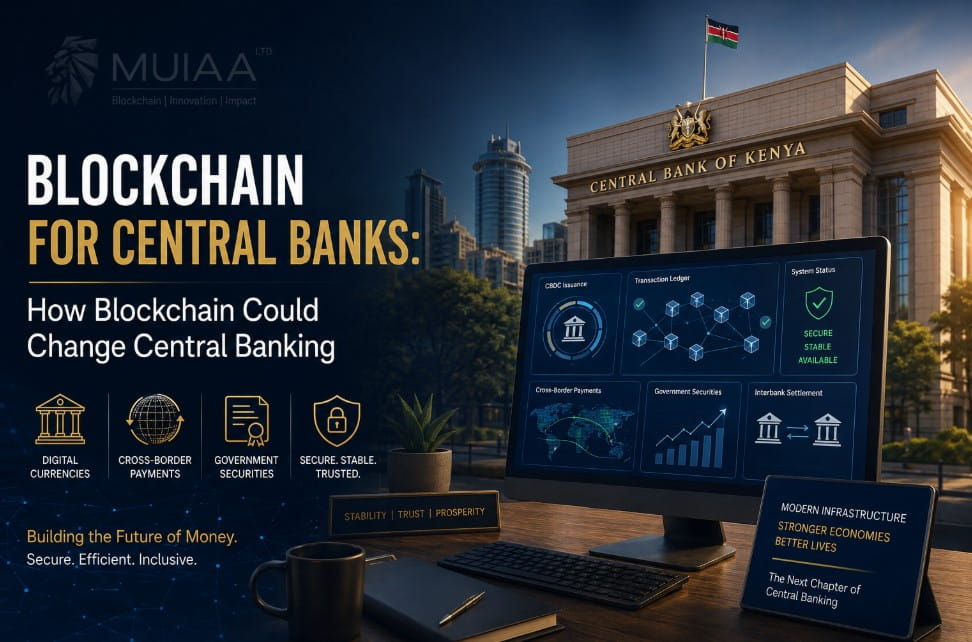


Nairobi, Kenya – In a historic move that positions Kenya as a African digital asset leader, Parliament has passed the groundbreaking “Virtual Asset Service Provider Act, 2025,” creating East Africa’s first comprehensive regulatory framework for cryptocurrency and blockchain technologies. The legislation, approved with overwhelming bipartisan support, establishes clear guidelines for crypto exchanges, token offerings, and blockchain innovation while implementing robust consumer protection measures.
The Act represents the culmination of three years of stakeholder consultations and comes amid growing crypto adoption that has seen Kenya ranked among Africa’s top three digital asset markets. Here’s an in-depth analysis of what this landmark legislation means for investors, businesses, and Kenya’s digital economy future.
Key Provisions of the Virtual Asset Service Provider Act
Licensing Framework
| License Type | Capital Requirement | Scope | Target Entities |
|---|---|---|---|
| Class A (Exchange) | KSh 250M | Trading, custody, staking | Major exchanges |
| Class B (Broker/Dealer) | KSh 100M | Order routing, advisory | Brokerage firms |
| Class C (Wallet/Custodian) | KSh 50M | Digital asset storage | Wallet providers |
| Class D (Utility Token) | KSh 10M | Non-security token issuance | Startups, projects |
Regulatory Oversight Structure
- Primary Regulator: Capital Markets Authority (CMA)
- Co-regulation: Central Bank of Kenya (banking integration)
- Advisory Role: Communications Authority (technology standards)
- Enforcement: Financial Reporting Centre (anti-money laundering)
Consumer Protection Measures
Investor Safeguards
- Mandatory Disclosure: Comprehensive risk warnings for all crypto investments
- Cold Storage Requirements: 95% of customer assets in offline storage
- Insurance Mandate: KSh 500M minimum coverage for licensed exchanges
- Compensation Scheme: Investor protection fund for platform failures
Market Conduct Rules
- Advertising Standards: Clear, non-misleading crypto marketing requirements
- Conflict Management: Separation of exchange and proprietary trading
- Whistleblower Protections: Enhanced incentives and protections for reporters
- Complaint Handling: 14-day resolution requirement for customer disputes
Taxation and Revenue Framework
Tax Treatment Clarification
- Capital Gains: 15% on crypto investment profits (consistent with securities)
- Trading Business Income: 30% corporate tax for professional traders
- Mining Rewards: Taxable as ordinary income at point of receipt
- Staking Rewards: Taxable upon disposal or conversion to fiat
Revenue Projections
- License Fees: KSh 1.2B annually from 200+ expected licensees
- Transaction Taxes: KSh 8-12B annually from capital gains and income taxes
- Economic Impact: KSh 45B in additional GDP from formalized industry
Innovation Promotion Provisions
Regulatory Sandbox
- Duration: 24-month testing period for innovative products
- Requirements: Consumer protection, risk management, exit planning
- Benefits: Temporary regulatory relief, CMA guidance, market testing
Blockchain Development Fund
- Size: KSh 2B over five years
- Focus: Local blockchain development, education, research
- Management: Multi-stakeholder board including private sector
Digital Asset Classification
- Security Tokens: Treated as traditional securities (CMA regulated)
- Utility Tokens: Specific use case requirements (lighter regulation)
- Payment Tokens: Limited to approved stablecoins and major cryptocurrencies
- NFTs: Case-by-case determination based on characteristics
International Compliance and Cooperation
Anti-Money Laundering Provisions
- Travel Rule: KSh 1M+ transactions require sender/receiver information
- KYC Requirements: Enhanced due diligence for all customers
- Transaction Monitoring: Real-time reporting of suspicious activities
- International Standards: Alignment with FATF recommendations
Cross-Border Cooperation
- Information Sharing: Agreements with 15+ international regulators
- Mutual Recognition: Potential for licensed firms to operate regionally
- Enforcement Cooperation: Joint investigations and enforcement actions
Implementation Timeline and Transition
Phase 1: Immediate Effect (November 2025)
- Law enactment and regulatory appointment
- Public awareness campaign launch
- Temporary licensing regime establishment
Phase 2: Licensing Period (December 2025 – March 2026)
- License application window opens
- Existing operators transition to compliance
- New market entry under temporary approvals
Phase 3: Full Implementation (April 2026)
- Full enforcement of all provisions
- Regulatory examinations begin
- International cooperation agreements activated
Market Impact Analysis
For Existing Operators
- Compliance Costs: 15-25% increase in operational expenses
- Business Model Adjustments: Potential restructuring required
- Competitive Positioning: First-mover advantage for early compliers
For New Entrants
- Market Access: Clear pathway for legitimate businesses
- Investor Confidence: Enhanced trust attracting more participants
- Innovation Incentives: Sandbox environment encourages experimentation
For Consumers
- Reduced Fraud: Estimated 60% decrease in scam incidents
- Recourse Mechanisms: Formal complaint and compensation procedures
- Education Access: Mandatory investor education resources
Comparative Regional Analysis
East African Regulatory Landscape
| Country | Regulatory Status | Key Features |
|---|---|---|
| Kenya | Comprehensive Framework | Multi-license approach, sandbox |
| Tanzania | Limited Regulation | Bank of Tanzania oversight only |
| Uganda | Restrictive Approach | Limited crypto banking access |
| Rwanda | Innovation-Focused | Developing framework, pro-innovation |
| Ethiopia | Highly Restricted | Mining-only approach |
Stakeholder Reactions
Government Perspective
- National Treasury: “Balances innovation with stability and consumer protection”
- Central Bank: “Provides clarity while maintaining monetary policy integrity”
- CMA: “Equips us with tools to regulate this rapidly evolving sector”
Industry Response
- Local Exchanges: “Level playing field that legitimizes our operations”
- International Platforms: “Clear pathway to compliant market entry”
- Blockchain Startups: “Sandbox provides crucial testing environment”
Consumer Advocates
- Consumer Federation: “Long-overdue protections for vulnerable investors”
- Digital Rights Groups: “Appropriate balance between innovation and safeguards”
Economic Projections and Opportunities
Job Creation Potential
- Direct Employment: 5,000+ jobs in licensed entities by 2027
- Indirect Employment: 15,000+ in related technology and service sectors
- Skill Development: New educational programs and certification opportunities
Investment Attraction
- Foreign Direct Investment: $300M+ anticipated in licensed entities
- Venture Capital: Increased funding for compliant blockchain startups
- Market Depth: Enhanced liquidity from institutional participation
Regional Leadership Potential
- Regulatory Export: Framework model for other African nations
- Talent Hub: Attraction of blockchain developers and entrepreneurs
- Financial Innovation: Position as East Africa’s digital asset center
Risk Management and Challenges
Implementation Risks
- Regulatory Capacity: CMA staffing and expertise development needs
- Technological Evolution: Keeping pace with rapid innovation
- International Coordination: Managing cross-border regulatory arbitrage
Market Risks
- Over-regulation: Potential stifling of innovation through excessive compliance
- Under-enforcement: Risk of regulatory capture or inadequate supervision
- Systemic Risk: Interconnectedness with traditional financial system
Mitigation Strategies
- Phased Implementation: Gradual rollout with continuous assessment
- Stakeholder Engagement: Ongoing industry consultation mechanisms
- International Best Practices: Regular benchmarking against global standards
Conclusion: A New Era for Kenya’s Digital Economy
The passage of the Virtual Asset Service Provider Act marks a watershed moment in Kenya’s digital transformation journey. By providing regulatory certainty while fostering innovation, Kenya positions itself not only to harness the benefits of blockchain technology but also to become a regional leader in the rapidly evolving digital asset landscape.
As the Act moves toward implementation, its success will be measured by its ability to protect consumers while enabling the growth of a vibrant, innovative digital asset industry that contributes meaningfully to Kenya’s economic development and technological advancement.
To learn how your business can benefit from customized financial solutions, visit MUIAA Ltd. MUIAA offers expert guidance on funding opportunities both for personal and business. Contact us today for personalized support in meeting your business needs within Kenya’s evolving digital economy.