





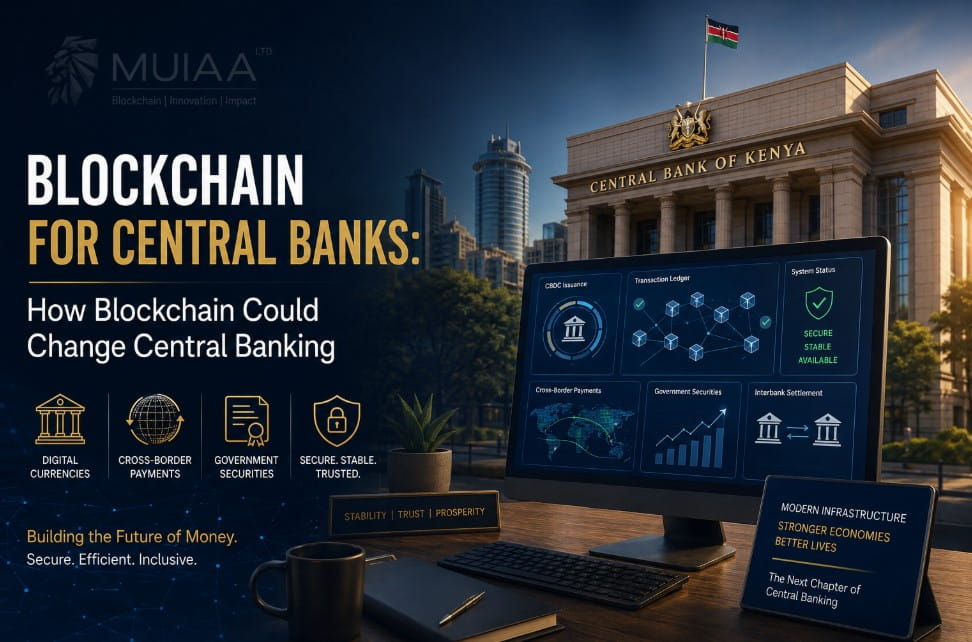


Nairobi, Kenya – The Kenyan government has unveiled a comprehensive plan to dramatically reduce transaction fees across digital payment platforms, mobile money services, and banking channels in a bold move to drive financial inclusion and stimulate economic activity. The reforms, announced by the National Treasury in collaboration with the Central Bank of Kenya (CBK), target reducing costs for low-value transactions that disproportionately affect low-income households and small businesses.
The initiative, set to be implemented in phases starting January 2026, represents the most significant intervention in Kenya’s payment pricing landscape since the introduction of mobile money. Here’s an in-depth analysis of the proposed changes, their economic implications, and the expected impact on Kenya’s journey toward universal financial access.
Proposed Fee Structure Changes
Mobile Money Transactions (M-Pesa, Airtel Money, Telkom Cash)
| Transaction Range | Current Charges | Proposed Charges | Reduction |
|---|---|---|---|
| KSh 1 – 100 | KSh 3-5 | KSh 1 | 60-80% |
| KSh 101 – 500 | KSh 11-15 | KSh 3 | 70-80% |
| KSh 501 – 1,000 | KSh 27-33 | KSh 5 | 80-85% |
| KSh 1,001 – 1,500 | KSh 49-55 | KSh 8 | 80-85% |
| KSh 1,501 – 2,500 | KSh 66-72 | KSh 10 | 85% |
Bank Transaction Fees
- Agency Banking: Maximum KSh 15 (down from KSh 30-50)
- ATM Withdrawals: KSh 15 flat fee (down from KSh 30-45)
- Interbank Transfers: KSh 25 (down from KSh 50-75)
- Monthly Account Fees: Eliminated for accounts with <KSh 50,000 balance
Digital Payment Platforms
- PesaLink: KSh 15 flat fee for all transactions up to KSh 500,000
- E-Citizen: Removal of all convenience fees for government payments
- Buy Now, Pay Later: Caps on late payment fees and interest charges
Strategic Objectives and Expected Outcomes
Financial Inclusion Targets
- Current Status: 84% adult population with financial access
- 2028 Target: 95% adult population with active financial accounts
- Focus Groups: Rural populations, women, youth, and persons with disabilities
Economic Stimulus Projections
- Increased Transactions: 25-30% growth in low-value digital payments
- Savings Redistribution: KSh 45B annually retained by consumers and SMEs
- Formalization Boost: 500,000 additional small businesses joining formal economy
Digital Payment Growth
- Target: Increase digital payment share from 65% to 85% of all transactions
- Volume Projection: 8B annual transactions by 2028 (currently 5.2B)
- Value Target: KSh 45T in annual digital payment value (currently KSh 32T)
Implementation Framework and Timeline
Phase 1: Regulatory Framework (Q4 2025)
- Amendment of National Payment System Act
- Establishment of Price Control Advisory Committee
- Stakeholder consultations with banks and telcos
Phase 2: Voluntary Adoption (Q1 2026)
- Incentives for early adopters through tax benefits
- Public awareness campaign on new fee structures
- Monitoring of market response and consumer behavior
Phase 3: Mandatory Compliance (Q3 2026)
- Full enforcement of new fee caps
- Penalties for non-compliance (up to 5% of annual revenue)
- Regular review mechanism for price adjustments
Sector-Specific Impact Analysis
Mobile Network Operators
- Revenue Impact: 15-20% reduction in mobile money revenue
- Mitigation Strategies:
- Volume growth compensating for lower per-transaction revenue
- Value-added services (loans, savings, insurance)
- Cross-selling opportunities with increased user engagement
Commercial Banks
- Fee Income Reduction: 12-18% impact on non-interest income
- Strategic Shifts:
- Focus on high-value advisory services
- Digital lending and asset management
- SME banking and corporate services
Small and Medium Enterprises
- Cost Savings: KSh 8,000-15,000 monthly reduction in transaction costs
- Operational Benefits:
- Increased use of formal payment channels
- Better cash flow management
- Enhanced access to credit through transaction history
Consumers
- Household Savings: KSh 500-2,000 monthly for low-income families
- Behavioral Changes:
- Increased digital payment adoption
- Reduced cash usage and associated risks
- Greater financial planning capability
Regulatory Measures and Safeguards
Consumer Protection Enhancements
- Transparency Requirements: Clear disclosure of all charges before transactions
- Dispute Resolution: 48-hour settlement for billing complaints
- Opt-out Options: Easy account closure without penalties for low-income users
Competition Safeguards
- Anti-collusion Monitoring: Regular audits of pricing coordination
- Market Conduct Rules: Prohibition of hidden charges and fee bundling
- New Entrant Support: Reduced licensing fees for innovative payment providers
Financial Stability Considerations
- Profitability Monitoring: CBK oversight to ensure service provider sustainability
- Transition Support: Phased implementation to allow business model adjustments
- Innovation Incentives: Tax credits for developing low-cost payment solutions
International Context and Comparative Analysis
African Peer Comparison
| Country | Mobile Money Fee (for $1) | Financial Inclusion Rate | Government Intervention |
|---|---|---|---|
| Kenya (Proposed) | $0.007 | 84% | Active price regulation |
| Tanzania | $0.02 | 65% | Moderate regulation |
| Ghana | $0.03 | 58% | Limited intervention |
| Nigeria | $0.04 | 45% | Market-driven pricing |
| Rwanda | $0.015 | 75% | Strategic partnerships |
Global Best Practices
- India: UPI system with zero transaction fees for consumers
- Brazil: Pix instant payment system with mandatory low-cost access
- China: Regulatory caps on digital payment fees to promote adoption
- European Union: Payment Services Directive (PSD2) promoting competition
Stakeholder Reactions and Positions
Supportive Voices
- Central Bank of Kenya: “Essential for inclusive economic growth and digital transformation”
- Consumer Federation of Kenya: “Long overdue relief for ordinary Kenyans”
- Association of Micro and Small Enterprises: “Will significantly reduce business operating costs”
Industry Concerns
- Telecommunications Service Providers: “Need balanced approach to ensure service sustainability”
- Kenya Bankers Association: “Potential impact on financial innovation and service quality”
- Payment Service Providers: “Request for transition period and regulatory certainty”
International Development Partners
- World Bank: “Commendable step toward reducing the cost of being poor”
- IMF: “Monitoring potential fiscal impacts and macroeconomic effects”
- AFDB: “Model for other African countries seeking to accelerate financial inclusion”
Economic Modeling and Impact Assessment
Macroeconomic Benefits
- GDP Impact: 0.4-0.6% additional growth from increased economic activity
- Inflation Effect: Mildly disinflationary due to reduced transaction costs
- Employment Generation: 150,000 new formal sector jobs from increased entrepreneurship
Fiscal Implications
- Tax Revenue: Net positive impact from expanded formal economic activity
- Subsidy Requirements: Limited direct fiscal cost (primarily regulatory oversight)
- Social Protection: Enhanced efficiency in social transfer programs
Financial Sector Evolution
- Digital Transformation: Accelerated shift from physical to digital channels
- Innovation Pressure: Increased competition driving product innovation
- Consolidation Potential: Some market exits and mergers among smaller players
Monitoring and Evaluation Framework
Key Performance Indicators
- Transaction Volume Growth: Monthly monitoring of low-value payments
- Consumer Satisfaction: Quarterly surveys on payment experience
- Provider Profitability: Semi-annual assessment of service sustainability
- Inclusion Metrics: Annual measurement of financially excluded populations
Adjustment Mechanisms
- Annual Review: CBK-led assessment of fee structure effectiveness
- Stakeholder Feedback: Regular consultations with all market participants
- International Benchmarking: Continuous comparison with global best practices
Contingency Plans
- Sustainability Safeguards: Temporary adjustments if provider viability threatened
- Consumer Protection: Rollback provisions if service quality deteriorates
- Market Stability: Intervention mechanisms for disruptive market behavior
Conclusion: A Great Moment for Financial Inclusion
The proposed transaction fee reductions represent more than just cost savings for Kenyan consumers—they signal a fundamental reorientation of Kenya’s financial system toward inclusive growth. By deliberately prioritizing access over short-term profitability, Kenya is positioning itself to harness the full potential of its digital infrastructure for broad-based economic development.
As Treasury Cabinet Secretary Njuguna Ndung’u stated: “This is not about punishing service providers, but about recognizing that affordable financial services are essential infrastructure for modern economic development, much like roads or electricity.”
The success of this initiative will be closely watched across Africa and beyond, potentially establishing a new template for how emerging markets can leverage digital finance to accelerate development objectives while ensuring that the benefits of technological progress are widely shared.
To learn how your business can benefit from customized financial solutions, visit MUIAA Ltd. MUIAA offers expert guidance on funding opportunities both for personal and business. Contact us today for personalized support in meeting your business needs within Kenya’s evolving digital economy.