
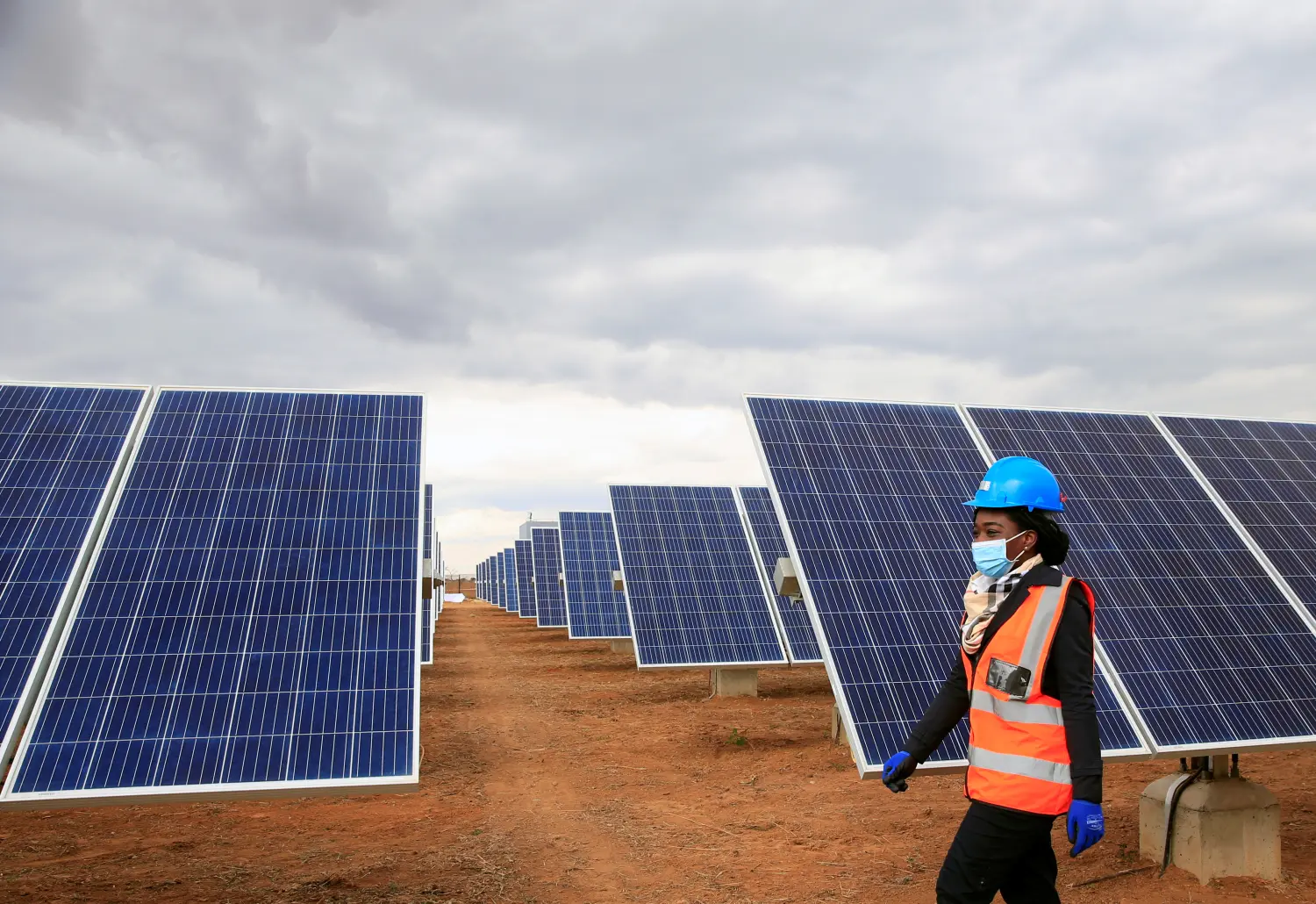
A report from Standard Bank shows that while roads, ports, and power are improving across Africa, the gap between big economic numbers and what businesses actually experience on the ground remains a real problem.
We’ve been going through the latest Africa Trade Barometer from Standard Bank, and there’s a lot to unpack. The report covers ten countries—Angola, Ghana, Kenya, Mozambique, Namibia, Nigeria, South Africa, Tanzania, Uganda, and Zambia—that together make up more than two-thirds of Sub-Saharan Africa’s economic output.
What caught our attention is that the story isn’t simple. There’s good news and frustrating news, often in the same country.
Mozambique Tops the List But Her Businesses Are Not Catching Up
Here’s the strangest finding: Mozambique comes out as the highest-ranked country in the trade barometer. On paper, things look great. The country has pulled in huge investments for its natural gas projects. The central bank has kept the currency stable.
But when you ask businesses how they’re actually doing, the picture changes completely. Companies on the ground report a much tougher trading environment than you’d expect from looking at the national statistics.
This matters because it shows how big investment projects don’t always help ordinary businesses. The gas money flows in, but it doesn’t spread around. Meanwhile, interest rates are high and cash is tight. So you end up with a country that looks good from 30,000 feet but feels different at street level.
For anyone building financial tools for African businesses, this is worth remembering. The companies that need help most aren’t necessarily the ones showing up in the headline numbers.
Infrastructure i.e Roads, Power, and Ports Are Being Built
For the first time since this report started, every single type of infrastructure improved across all the countries surveyed. That means better electricity, better phone networks, better roads, better railways, better ports, and better digital systems at borders.
This is a big deal. Anyone who has spent time around African trade knows how much bad infrastructure slows things down. Trucks sit at borders for days. Power cuts shut down businesses. Goods get damaged on terrible roads.
So seeing actual improvement across the board matters. Tanzania’s big hydropower project is moving ahead. Kenya keeps upgrading its digital border systems. And businesses are noticing—they report faster travel times and more reliable power.
Confidence among businesses has ticked up to 65, which isn’t amazing but is better than before. When physical infrastructure works, it creates space for digital finance to actually function. You can’t build smooth payment systems on top of broken roads and random power cuts.
Africa- Asia Trade Knocking
Here’s something that is surprising. For the first time, more African businesses say they prefer trading with Asia than with other African countries. Thirty-five percent now pick Asia first, compared to thirty-two percent who prioritize trade within Africa.
This isn’t because they’ve given up on African trade. The African Continental Free Trade Area is still important, and within East Africa, exports have grown after countries signed deals to reduce trade barriers.
But Asian markets offer cheaper goods and stronger manufacturing. When global trade gets messy with tariffs and political tensions, businesses go where the deals make sense. That’s just common sense.
For financial technology companies, this means building systems that work for multiple trade routes. If your payment platform only handles African payments but your customers are trading with China, you’ve got a problem.
Notable Challenges: Weather and Taxes
The report also highlights two problems that don’t get enough attention.
First, the weather. More than thirty percent of businesses say extreme weather has hurt their productivity. In Zambia, drought has knocked out hydroelectric power. When the power goes, everything stops—including digital payments.
Second, governments are running out of money. They’re trying to balance their budgets, which often means collecting more taxes. Businesses say this is becoming a real barrier to trade. They understand governments need revenue, but heavy taxes right now can kill the economic activity that would generate more tax money later.
There’s no easy answer here. But anyone building fintech in Africa needs to understand these pressures. Your customers are dealing with power cuts and tax bills. Your product has to work despite that.
What This Means for Fintech and Crypto
So what do we take away from all this?
Better infrastructure—especially digital border systems—creates openings for blockchain and other financial technology. When the basics work, you can build useful things on top.
The shift toward Asian trade matters. If African businesses are trading more with Asia, payment systems that work smoothly across that corridor have real value. This is where stablecoins and other crypto tools could help.
And the gap between big economic numbers and small business reality tells us to build for actual conditions, not newspaper headlines. The companies struggling with cash flow and currency problems need different solutions than the ones serving big gas projects.
Final Remarks…
The story here is genuinely mixed. Africa’s trade systems are slowly getting better. Infrastructure is improving. Businesses are adapting to a changing world.
But whether this lasts depends on whether governments can connect their big economic plans to what businesses actually deal with every day. That’s not a technical problem—it’s about politics and how institutions work.
For people building in fintech, the lesson is simple: solve real problems. Build tools that work when power is shaky, when cash is tight, and when moving money across borders needs to be fast and cheap.
Those problems aren’t going away anytime soon. And solving them is where the real opportunity sits.
For this kind of news and more, visit us at MUIAA Ltd where we offer research, advice and build modern day innovations in blockchain, fintech, and digital finance across emerging markets. We help turn ground-level realities into practical financial tools.


