




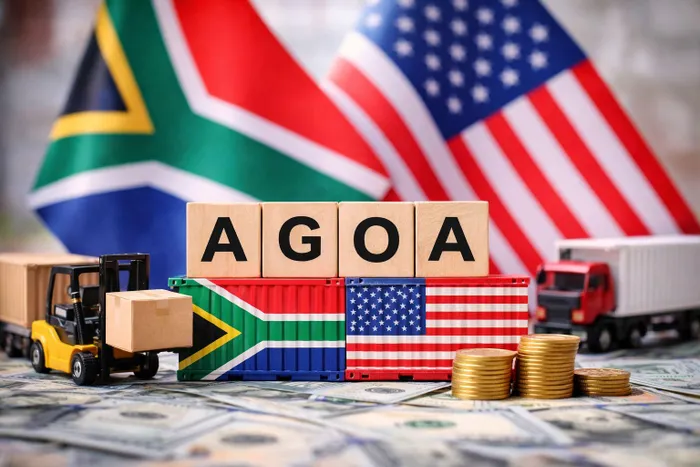
NAIROBI, February 4, 2026 – It was an immediate relief but foreshadowed tougher negotiations as US President Donald Trump signed a one-year extension of the African Growth and Opportunity Act (AGOA), securing duty-free access for eligible African exports until the end of 2026.
The signing, confirmed today, provides crucial short-term certainty for thousands of African businesses and workers who depend on the US market. However, the brief extension comes with a clear signal from Washington: the era of unconditional trade benefits is over, and African nations must prepare for a new deal that demands greater reciprocity.
⏳ Reprieve with Retroactive Power
The extension was retroactive, officially taking effect from September 30, 2025. This technicality prevented what would have been a devastating lapse in the trade program, ensuring that African exports to the US never lost their duty-free status during the political delay in reauthorization.
AGOA is the cornerstone of US-Africa trade, allowing qualifying sub-Saharan countries to export over 1,800 products to the world’s largest economy without tariffs. For key sectors like apparel, agriculture, and manufactured goods, it has been a powerful engine for job creation and industrial growth for over two decades.
🎯 What This Means for Kenya: A Sigh of Relief & A Wake-Up Call
For Kenya—one of AGOA’s top beneficiaries—the extension is vital news.
- Key Exports Protected: The deal safeguards Kenya’s lucrative exports, especially textiles and apparel from Export Processing Zones (EPZs) and major agricultural products like tea, coffee, and cut flowers.
- Breathing Room Granted: It offers exporters stability amid global economic uncertainty and shifting trade conditions in other markets like Europe.
However, the message from US Trade Representative Ambassador Jamieson Greer was unambiguous: “AGOA for the 21st century must demand more from our trading partners and yield more market access for U.S. businesses, farmers, and ranchers.”
This aligns with President Trump’s “America First” policy, which favors direct, country-by-country negotiations where the US seeks more favorable terms.
⚖️ The Future: Higher Stakes and a Push for Self-Reliance
The one-year window is not just an extension; it’s a deadline. Washington explicitly states this time is for “more reforms.” African nations will face increased pressure to:
- Lower barriers to US trade and investment.
- Strengthen protections for US intellectual property.
- Make deeper economic and governance reforms to even remain eligible for the program.
This reality is a powerful push for Africa to build its own economic resilience. Experts see the short extension as a catalyst to urgently:
- Diversify export markets beyond the US.
- Accelerate regional trade under the new African Continental Free Trade Area (AfCFTA).
- Boost competitiveness to thrive in a future where global trade preferences may come with stricter strings attached.
In Summary
President Trump’s signature provides an essential, one-year lifeline for Africa’s US-bound exports. For farmers in Kenya, factory workers in Lesotho, and business owners across the continent, it means jobs and incomes are secure for now.
But the brief extension is a diplomatic drumroll, signaling the start of a high-stakes negotiation. The coming year will determine whether the historic US-Africa trade partnership evolves into a more reciprocal, 21st-century deal or faces a fundamental rewrite.