




The Future of Property Developers for Kenya’s Real Estate: Innovation, Sustainability & Technology Adaptation

Nairobi, Kenya – Kenya’s property developers have unveiled a comprehensive blueprint for the future of the nation’s real estate sector, embracing technological innovation, sustainable development, and new investment models to navigate economic challenges and meet evolving market demands. The strategic vision, developed through collaboration between the Kenya Property Developers Association (KPDA), architectural firms, and financial institutions, aims to transform Kenya’s built environment while addressing critical issues of affordability, sustainability, and urban planning.
This forward-looking framework comes as the sector emerges from a period of consolidation and adapts to new economic realities, including rising construction costs, changing consumer preferences, and the urgent need for climate-resilient development. Here’s an in-depth analysis of the key pillars shaping the future of Kenyan real estate.
Market Transformation Drivers
Demographic and Economic Shifts
- Urban Population Growth: Nairobi projected to reach 10 million residents by 2030
- Middle Class Expansion: 2.5 million new middle-income households by 2028
- Formalization Trend: 65% of real estate transactions now through formal channels
- Diaspora Investment: $450 million annual inflows into Kenyan real estate
Technology Adoption Acceleration
- Proptech Integration: 45% of developers now using digital sales and management platforms
- Construction Tech: BIM adoption growing at 30% annually among large developers
- Smart Home Features: 70% of new premium developments include IoT infrastructure
- Virtual Reality: 25% of pre-sales now conducted through virtual tours
Strategic Development Pillars
1. Sustainable and Green Building Revolution
- Current Status: 12% of new developments have green certification
- 2028 Target: 40% of new buildings to meet international sustainability standards
- Key Initiatives:
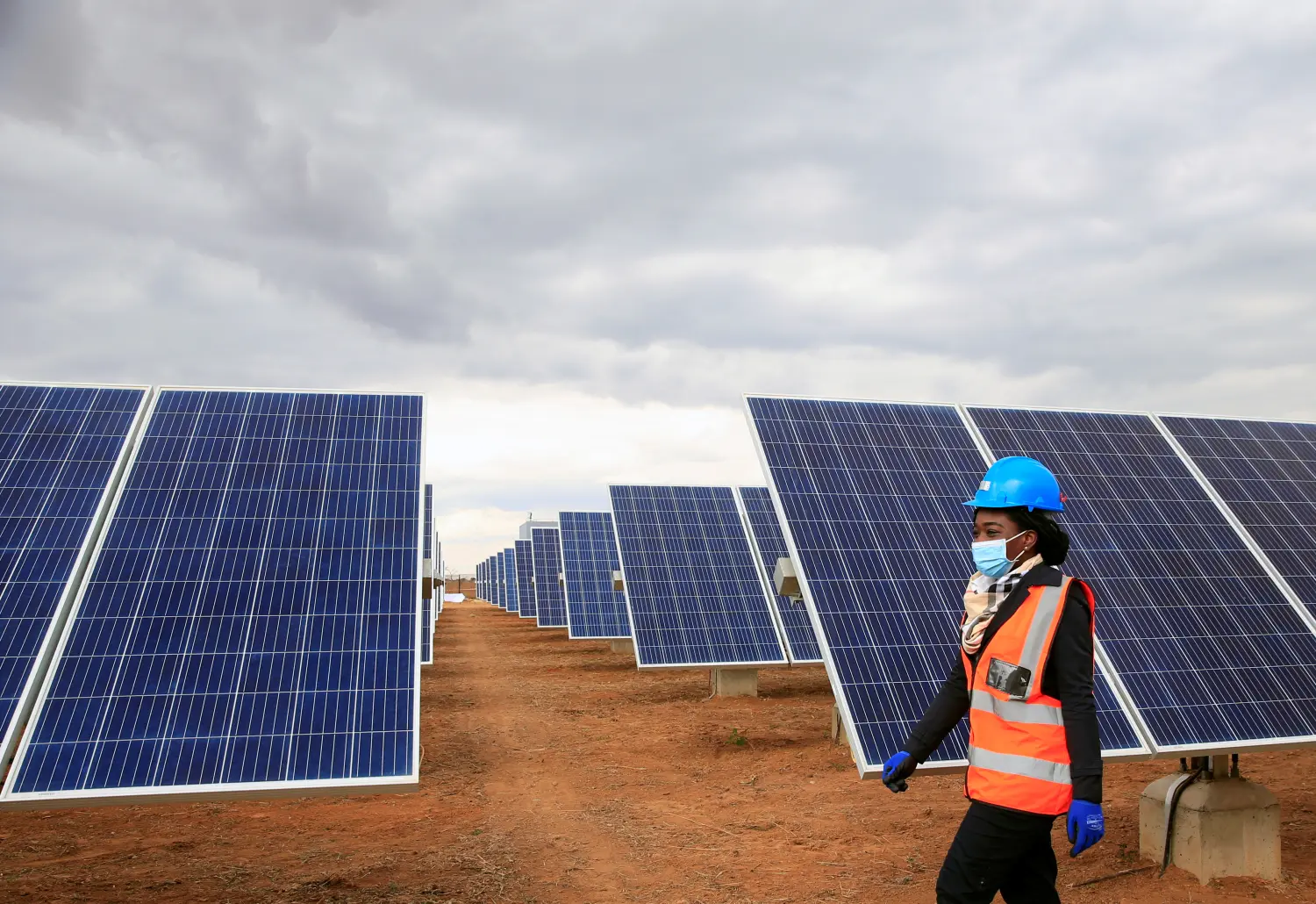
- Solar energy integration mandatory for developments over 50 units
- Water recycling systems required in all new commercial buildings
- Green space allocation minimum of 15% in residential developments
- Sustainable materials sourcing priority
2. Affordable Housing Scale-Up
- Current Gap: 2 million unit deficit in urban affordable housing
- Development Pipeline: 250,000 affordable units planned by 2028
- Innovation Models:
- Rent-to-own schemes with 5-year transition periods
- Micro-mortgage products targeting informal sector workers
- Cooperative housing developments with shared amenities
- Government partnership projects on public land
3. Mixed-Use Development Dominance
- Market Share: 35% of new developments now mixed-use (up from 15% in 2020)
- Consumer Preference: 68% of buyers prefer integrated live-work-play environments
- Economic Benefits: 25% higher rental yields than single-use developments
- Urban Planning: Reduced congestion through localized service access
4. Technology-Enabled Property Management
- Digital Transformation:
- AI-powered facility management systems
- Automated utility billing and payment platforms
- Predictive maintenance using sensor networks
- Digital community engagement platforms
Financial Innovation and Investment Models
Emerging Funding Structures
| Model | Description | Target Developments |
|---|---|---|
| Real Estate Investment Trusts (REITs) | Publicly traded property portfolios | Commercial, residential, mixed-use |
| Development Finance Pools | Consortium funding for large projects | Infrastructure-integrated developments |
| Crowdfunding Platforms | Retail investor participation | Mid-market residential, commercial |
| Diaspora-Backed Funds | Targeted international capital | Premium residential, hospitality |
Risk Management Evolution
- Price Stabilization: Escalation clauses in construction contracts
- Pre-sales Requirements: 40% pre-sales before construction commencement
- Supply Chain Diversification: Multiple material sourcing strategies
- Market Research Integration: Data-driven development decisions
Regional Development Hotspots
Nairobi Metropolitan Expansion
- Western Corridor: Ongata Rongai, Kiserian, Ngong (middle-income focus)
- Northern Expansion: Ruiru, Juja, Thika (industrial and residential mix)
- Southern Belt: Kitengela, Athi River, Machakos (logistics and affordable housing)
Secondary City Growth Centers
- Mombasa: Blue economy integration, tourism infrastructure
- Kisumu: Lakefront development, regional trade hub expansion
- Eldoret: Agricultural processing, student accommodation
- Nakuru: Industrial park integration, tourism services
Special Economic Zone Integration
- Dongo Kundu: Maritime-based industrial and residential development
- Naivasha: Logistics and industrial support communities
- Lamu: Tourism and port-related infrastructure
Technology Integration Framework
Construction Innovation
- Modular Building: 15% reduction in construction time, 10% cost savings
- 3D Printing: Experimental projects showing 30% material cost reduction
- Drone Monitoring: 40% improvement in construction progress tracking
- Digital Twins: Virtual replicas for maintenance and management
Smart Community Features
- Energy Management: AI-optimized power consumption across developments
- Security Integration: Centralized smart surveillance and access control
- Mobility Solutions: EV charging stations, shuttle services, bike sharing
- Community Apps: Integrated services, payments, and communication
Sustainability and Climate Resilience
Green Building Standards Adoption
- Certification Growth: 300% increase in EDGE and LEED certified projects since 2022
- Energy Efficiency: New buildings targeting 30% reduction in energy consumption
- Water Management: 40% reduction target in potable water usage
- Waste Reduction: 75% construction waste recycling mandate in major cities
Climate Adaptation Measures
- Flood Resilience: Elevated foundations, permeable surfaces in flood-prone areas
- Heat Mitigation: Reflective materials, green roofs, urban forestry
- Water Security: Rainwater harvesting, greywater recycling systems
- Biodiversity Integration: Native landscaping, wildlife corridors
Policy and Regulatory Evolution
Development Approval Reform
- Digital Permitting: Target of 30-day approval process for compliant projects
- Standardized Codes: Unified building codes across county governments
- Transparent Processes: Online tracking of application progress
- Professional Certification: Mandatory accreditation for developers
Urban Planning Integration
- Infrastructure-Led Development: Coordination with transport and utility projects
- Density Bonuses: Incentives for high-density, transit-oriented development
- Heritage Conservation: Integration of cultural preservation in new developments
- Public Space Requirements: Minimum allocations for parks and community facilities
Market Challenges and Strategic Responses
Construction Cost Management
- Current Inflation: 18% year-on-year increase in construction materials
- Mitigation Strategies:
- Local material sourcing and manufacturing
- Efficient design standardization
- Bulk purchasing consortia
- Alternative material innovation
Market Liquidity Solutions
- Secondary Market Development: Enhanced property resale mechanisms
- Rental Reform: Professionalized management and tenant protection
- Exit Strategies: Clear pathways for investor liquidity
- Market Information: Transparent pricing and transaction data
Consumer Confidence Building
- Quality Assurance: Independent construction quality certification
- Warranty Systems: Structural and finish warranties for buyers
- Dispute Resolution: Efficient mechanisms for buyer-developer conflicts
- Financial Protection: Escrow accounts and project completion guarantees
Future Outlook and Growth Projections
Market Size and Economic Contribution
- Sector Growth: 6.5% annual growth projected through 2030
- GDP Contribution: Real estate contribution to grow from 8% to 12% of GDP
- Employment Impact: 500,000 new direct and indirect jobs by 2028
- Investment Volume: $15 billion annual development investment by 2030
Innovation Trajectory
- 2025-2026: Widespread proptech adoption, green building standardization
- 2027-2028: Modular construction scaling, smart city integration
- 2029-2030: Full digital transformation, sustainable development dominance
Global Competitiveness
- Regional Leadership: Position as East Africa’s most sophisticated property market
- Investment Attraction: Top destination for real estate investment in East Africa
- Talent Development: Center of excellence for real estate innovation
- Sustainability Benchmark: African leader in green building standards
Strategic Recommendations for Stakeholders
For Developers
- Embrace technology across the development lifecycle
- Prioritize sustainability as a competitive advantage
- Develop diverse product offerings for different market segments
- Build strong community relationships and social license
For Investors
- Focus on developments with strong ESG credentials
- Consider mixed-use and infrastructure-integrated projects
- Diversify across geographic markets and property types
- Partner with experienced local developers
For Government
- Accelerate digital transformation of planning and approval processes
- Develop supportive infrastructure ahead of development waves
- Create enabling environment for affordable housing delivery
- Establish clear, consistent regulatory frameworks
For Consumers
- Consider long-term value beyond initial purchase price
- Evaluate sustainability features and operating costs
- Research developer track record and financial stability
- Understand new ownership and community living models
To learn how your business can benefit from customized financial solutions, visit MUIAA Ltd. MUIAA offers expert guidance on funding opportunities both for personal and business. Contact us today for personalized support in meeting your business needs within Kenya’s evolving digital economy.