
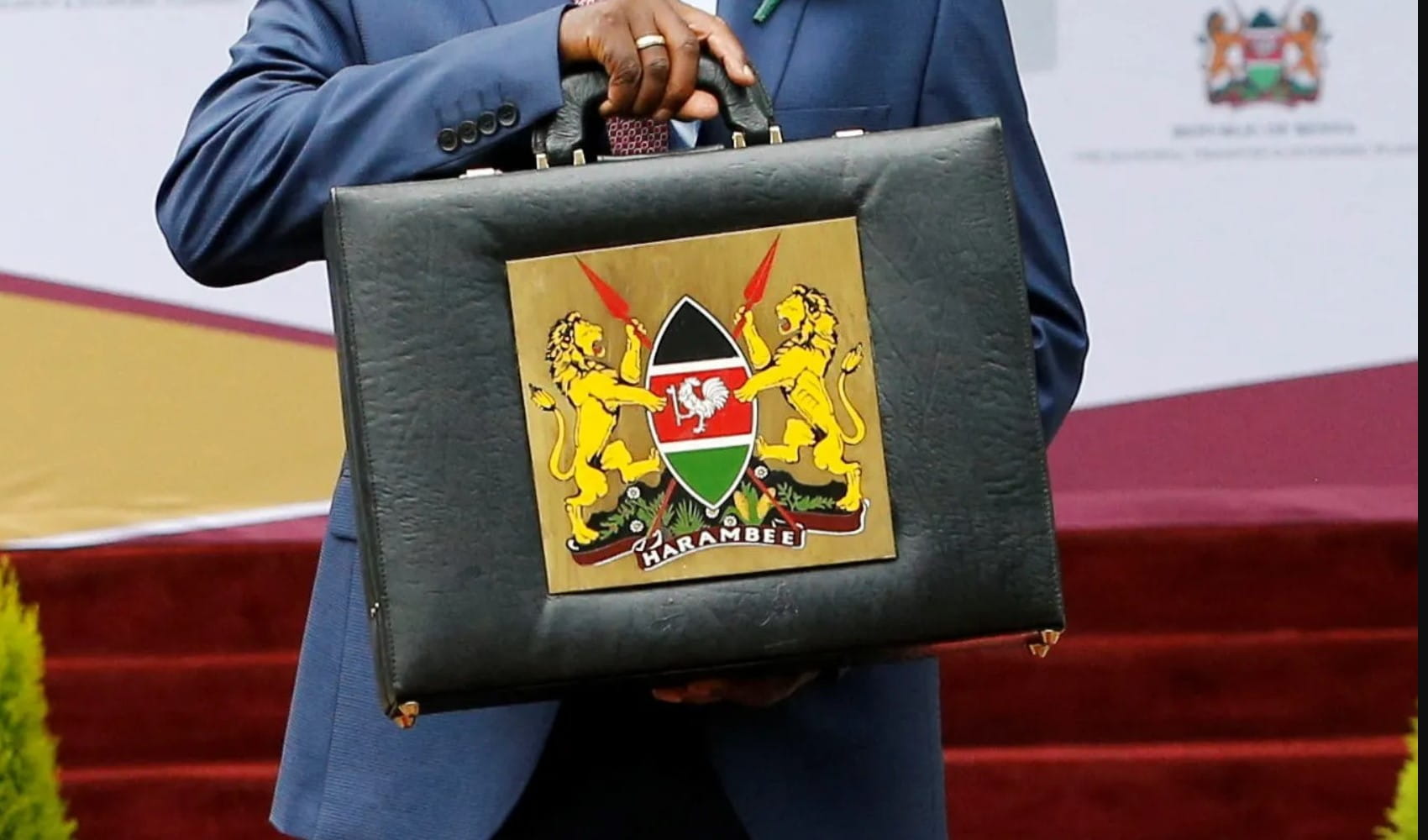









Nairobi, Kenya – In a surprise move that has sent shockwaves through Kenya’s crypto community, the National Treasury has abruptly repealed the controversial 3% Digital Asset Tax (DAT) on virtual asset transfers, just nine months after its introduction. The decision, buried in the newly published Finance Act 2024 Amendment, eliminates what had become one of Africa’s highest crypto transaction taxes—but raises critical questions about Kenya’s regulatory direction and revenue strategy.
Was this a victory for crypto advocates, a fiscal miscalculation, or a strategic pause before a more comprehensive tax framework? Here’s your definitive analysis of the policy reversal and its ripple effects.
Why the DAT Was Scrapped: Behind the Scenes
1. Compliance Collapse
- Only 12% of targeted traders filed DAT returns (KRA data)
- KSh 4.8B revenue shortfall vs projections
2. Market Fallout
- 37% drop in recorded P2P volumes (Chainalysis)
- Exodus to offshore platforms like Binance & Bybit
3. Legal Challenges
- Three ongoing lawsuits alleging:
- Double taxation (VAT + DAT)
- Unconstitutional surveillance
- Unclear NFT classification
4. Lobbying Pressure
- Blockchain Association of Kenya’s #StopTheCryptoTax campaign
- Behind-the-scenes appeals by venture capital firms
Immediate Impact: Winners & Losers
Who Benefits?
- Retail Traders: Save KSh 300 per KSh 10,000 trade
- Exchanges: Volume rebound expected (projected +25%)
- NFT Creators: No more ambiguous art sales taxation
Who Loses?
- KRA: Loses estimated KSh 6.2B annual revenue
- Tax Consultants: DAT advisory services wiped out
- Regulators: Appear inconsistent on crypto policy
What Replaces the DAT? The New Tax Reality
| Tax Type | Rate | Applicability |
|---|---|---|
| Capital Gains Tax | 15% | Profits from crypto sales |
| Income Tax | 30% | Business crypto earnings |
| Withholding Tax | 5% | Exchange-to-exchange transfers |
| VAT | 16% | Crypto service fees |
Key Change: No more transaction-level taxation
Market Reactions & Data Trends
1. Exchange Responses
- Local Platforms: Reinstating Kenyan shilling pairs
- Binance: Unfreezes KES deposits within 72 hours
- Paxful: Resumes marketing in Kenya
2. On-Chain Activity
- +18% Bitcoin inflows to Kenyan wallets (post-announcement)
- +40% stablecoin transfers for remittances
3. Investor Sentiment
- 83% of surveyed traders more likely to use local exchanges
- VC interest in Kenyan blockchain startups “renewed”
The Hidden Implications
1. Regulatory Whiplash Risk
- DAT could return in revised form (2025 Budget hints)
- CAK still drafting comprehensive crypto rules
2. Compliance Shift
- Focus now on annual tax filings vs real-time deductions
- KRA expected to ramp up audits of large holders
3. Regional Competition
- Rwanda’s 0% capital gains tax looks more attractive
- Tanzania maintains 1.5% transaction levy
What You Should Do Now
For Traders:
✔ Recalculate 2024 tax obligations under new rules
✔ Reactivate local exchange accounts
✔ Document all 2023 DAT payments for potential refunds
For Startups:
▶ Revisit pricing models (remove DAT pass-through costs)
▶ Engage KRA on revised reporting requirements
▶ Monitor CAK’s upcoming licensing framework
For Investors:
◉ Reassess Kenyan crypto market entry timing
◉ Watch for M&A opportunities among tax-burdened firms
◉ Lobby for clear long-term policies
The Road Ahead: 2024-2025 Outlook
Q3 2024
- KRA issues DAT transition guidelines
- First refund claims processed
Q4 2024
- CAK publishes draft crypto market rules
- Parliament reviews broader digital tax reforms
Q1 2025
- New capital gains reporting systems go live
- Potential re-introduction of revised DAT
To learn how your business can benefit from customized financial solutions, visit MUIAA Ltd. MUIAA offers expert guidance on funding opportunities both for personal and business. Contact us today for personalized support in meeting your business needs within Kenya’s evolving digital economy.