






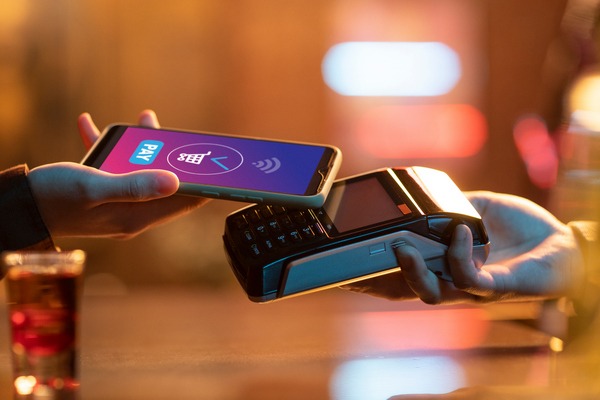
Johannesburg, South Africa – South Africa’s leading financial institutions have initiated a large-scale rationalization of their ATM networks as digital payment adoption reaches record levels, according to operational plans filed with the South African Reserve Bank (SARB). The coordinated three-year reduction strategy will see 4,200 ATMs (38% of the national fleet) decommissioned by 2027, fundamentally reshaping the country’s cash access infrastructure.
Key Strategic Drivers
- Cost Optimization
- ATM operational costs: ZAR 18,500 per unit/month (SARB 2024 Cost Analysis)
- Maintenance savings potential: ZAR 933 million annually across the “Big Five” banks
- Risk Mitigation
- Cash-in-transit heists increased 22% YoY to 147 incidents in 2024 (SAPS Crime Statistics)
- Insurance premium reductions estimated at ZAR 280 million/year post-ATM cuts
- Digital Adoption Metrics
- 89% of retail transactions now digital (PayShap + Instant EFT)
- Mobile banking app usage grew 47% among adults 55+ in 2023 (FinMark Trust)
Bank-Specific Implementation Timelines
| Institution | ATMs to Remove (2025-2027) | % Reduction | Digital Alternatives |
|---|---|---|---|
| Standard Bank | 1,150 | 42% | 2,000 new Cashless Merchants |
| First National Bank | 950 | 38% | 300% expansion of EasyPay Points |
| Absa | 850 | 35% | Smart ATM conversion (cash-to-digital) |
| Nedbank | 800 | 40% | PEP Stores banking kiosks |
| Capitec | 450 | 25% | R59/month smart device bundles |
Mitigation Measures for Cash-Dependent Demographics
1. Social Grant Recipients (6.7 million)
- SASSA Pay digital system rollout (87% enrollment completion target by Q2 2025)
- 4,500 Post Office branches retained as cash access points
2. Informal Sector
- Spaza shop agency banking partnerships (5% commission structure)
- QR code payment subsidies for township merchants
3. Rural Communities
- ZAR 99/month feature phone banking packages
- Mobile bank branches serving 128 high-need locations
Industry Leadership Perspectives
Cas Coovadia, CEO – Banking Association of South Africa
“Our phased approach balances innovation with inclusion. The ATM reductions follow 18 months of impact modeling showing 94% of users now have access to superior digital alternatives.”
Dr. Bridgette Motsepe, Financial Inclusion Advocate
“While digital growth is impressive, we’re monitoring three key vulnerability indicators: elder adoption rates, rural network stability, and informal trader conversion costs.”
Regulatory Oversight & Consumer Protections
- SARB Monitoring Framework
- Mandatory 90-day notice before ATM removals
- Alternative access must be within 5km for urban areas, 15km for rural
- Competition Commission Safeguards
- Ban on ATM fee increases during transition period
- Digital payment price caps until 2026
- National Treasury Concessions
- ZAR 1.2 billion allocated for rural connectivity upgrades
- Tax incentives for merchants accepting low-value digital payments
Transition Timeline & KPIs
Phase 1 (2025)
- 1,400 ATMs removed (primarily urban duplicate sites)
- 85% of SASSA recipients migrated to digital
Phase 2 (2026)
- 2,100 ATMs deactivated (focus on high-risk locations)
- 95% of townships with certified cash conversion points
Phase 3 (2027)
- Final 700 ATMs retired
- Cash transactions projected below 8% nationally
Market Implications
Positive
- Banking sector cost-to-income ratios expected to improve by 180bps
- Digital payment providers forecast 30% revenue growth
Challenges
- Cash management sector may shed 3,200 jobs
- Short-term customer education costs estimated at ZAR 450 million
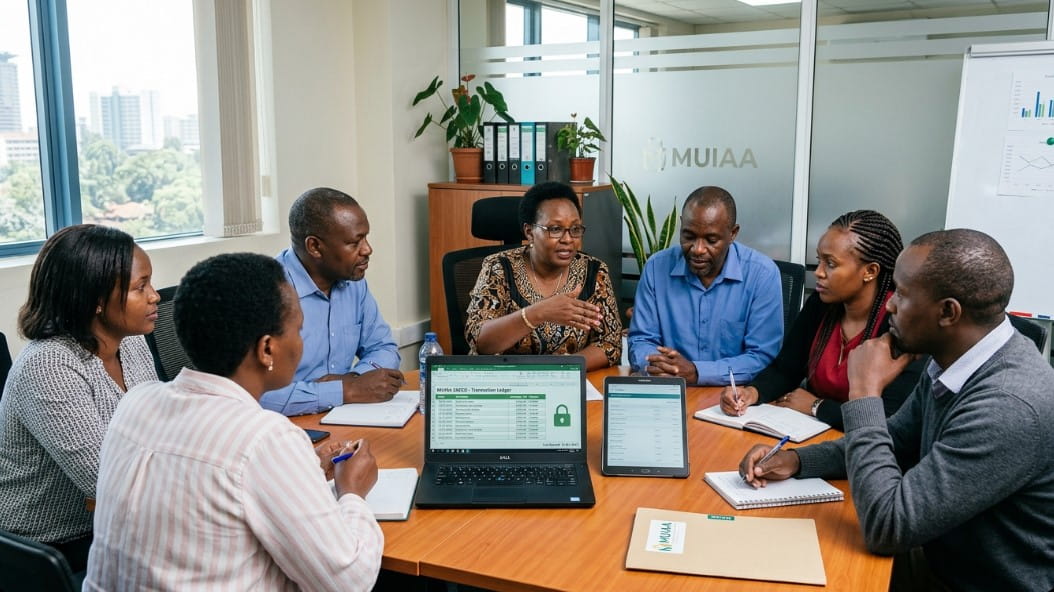
To learn how your business can benefit from customized financial solutions, visit MUIAA Ltd. MUIAA offers expert guidance on funding opportunities both for personal and business. Contact us today for personalized support in meeting your business needs within Kenya’s evolving digital economy.