






Published: May 19, 2026
The project is called KISIP 2 — the second in Kenya’s Informal Settlement Improvement an innovation toward the Digital Public Works. And according to a top World Bank official, it might be exactly what fast-growing cities need to stop leaving young people behind.
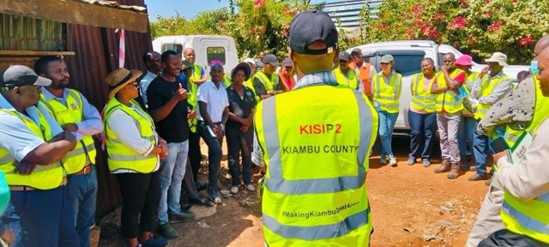
Axel van Trotsenburg, the Senior Managing Director of the World Bank Group during a round-table discussion with youth from KCC village in Embakasi, he had some unusually direct praise.
“The demand for workers with digital skills is rapidly increasing, presenting an opportunity for urban youth,” he said. Then came the warning: “Digital technologies are changing the ways that businesses are done, requiring governments, businesses, and individuals to adapt to the new reality.”
How Does It Work?
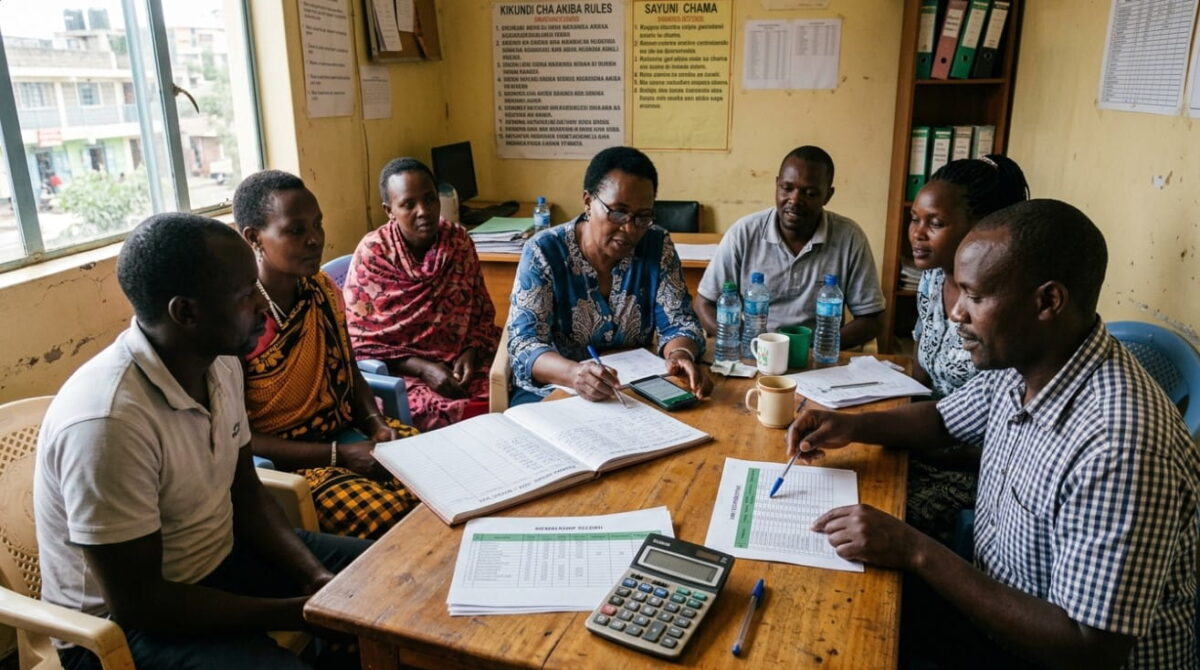
Here is the simple version. Young people from three informal settlements in Nairobi — Embakasi Sokoni, KCC Village, and Kahawa Soweto — were hired to collect data. Not complicated data. Household surveys. Digital micro-tasking. Using terrestrial cameras to capture aerial imagery of their own neighborhoods.
They learned how to digitize maps. They conducted interviews. They produced datasets that the government needed anyway.
In return? Short-term paychecks. New skills. And a line on their CVs that did not exist before.
Two Big Wins at Once
The World Bank sees this as a double victory. First, the settlements get better data for upgrading roads, water, and sanitation. Second, young people get digital work experience in a country where formal jobs are scarce.
Van Trotsenburg put it bluntly: the application of the Digital Public Works Model by KISIP 2 has positively affected youth in Nairobi. He said collaborative digital approaches are turning out to be efficient and cost-effective ways to produce data.
Other Partners
Bertrand Willocquet is the Kenya Country Director for Agence Française de Développement (AFD) was at the same forum and said the cooperation between AFD and the World Bank has added real value to KISIP projects. He also announced that new Urban Fabric Initiatives will be tested in selected communities using the same model.
The Bigger Picture
Kenya has a youth unemployment problem. It also has a housing problem. Millions of people live in informal settlements where even basic data — like which plot belongs to whom — is missing or wrong.
KISIP2 is trying to solve both problems at once. Create jobs. Collect data. Upgrade settlements. Repeat.
Present at the forum were Charles Hinga (Principal Secretary, State Department of Housing and Urban Development), Said Athman (Housing Secretary), James Njoroge Muchiri (Deputy Governor, Nairobi County), George Arwa (KISIP National Project Coordinator), and Beatriz Eraso Puig (KISIP 2 Task Team Leader at the World Bank).
Way Frward: How to Scale?
That is the open question. A few hundred youth in three Nairobi settlements got work. That is good for them. But Kenya has millions of young people in dozens of informal settlements across the country.
The World Bank seems to think the model can grow. The praise from van Trotsenburg was not casual. When a Bretton Woods institution starts holding up a pilot project as an example, it usually means one thing: they want to fund more of it.
For now though, the youth of KCC Village, Embakasi Sokoni, and Kahawa Soweto have something that did not have before — proof that digital skills and a smartphone can turn into real work. That is not nothing.
For this kind of news and more, visit us at MUIAA Ltd where we offer research, advice and build modern day innovations in blockchain, fintech, and digital finance across emerging markets. We help turn ground-level realities into practical financial tools.`