


One School’s Transformation Reflects a Bigger Fight Against Kenya’s Digital Divide
Where a child goes to school can still determine the opportunities they will have in life.
In many urban schools, learners have access to computers, reliable internet, digital learning platforms, and modern libraries. In many rural and underserved communities, however, these resources remain out of reach, leaving thousands of students at a disadvantage in an increasingly digital world.
That is the gap Women in Technology and Innovation Africa (WITIA) hopes to narrow.
The organisation has officially opened its second Smart Library at Mbukoni Comprehensive School in Machakos County, expanding a programme designed to bring digital learning opportunities to schools that have historically had limited access to technology. The initiative forms part of WITIA’s broader Smart Libraries for a Smart Nation programme, which aims to ensure that where a child is born does not determine the quality of education they receive.
More Than a Library Filled With Computers
Calling it a library hardly captures the full picture.
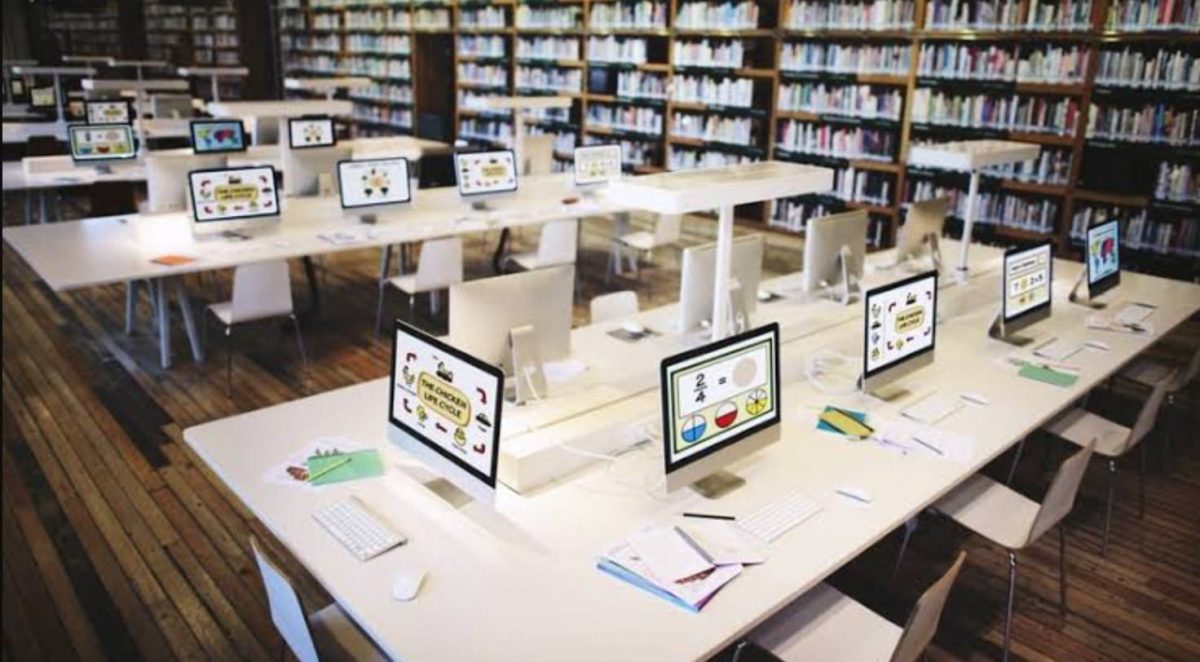
The new facility combines traditional learning resources with digital infrastructure, creating a space where learners can read, research, collaborate, and develop the digital skills that are becoming essential in education and the workplace.
Students now have access to 37 networked computers, high-speed internet, digital learning platforms, educational software, and a wide collection of curriculum-aligned books that support Kenya’s Competency-Based Education (CBE) curriculum.
The library has also been designed with accessibility in mind. Wheelchair ramps and barrier-free access ensure that learners living with disabilities can use the facility alongside their peers, reinforcing the idea that digital transformation should benefit every learner.
Building a Better School, Not Just a Better Library
The investment extends well beyond the library itself.
WITIA renovated three classrooms, donated more than 2,300 curriculum-aligned books, and constructed a modern ablution block for teachers. Together, these improvements create a more supportive learning environment while addressing some of the everyday challenges schools in underserved communities often face.
Rather than treating technology as a standalone solution, the project recognises that quality education depends on multiple factors working together. Modern facilities, learning materials, digital tools, and supportive teaching environments all contribute to better outcomes for students.
Preparing Learners for a Different Future
Education is changing rapidly.
Today’s learners are growing up in a world where digital literacy is becoming as fundamental as reading and mathematics. Employers increasingly expect graduates to be comfortable using technology, analysing information, solving problems digitally, and adapting to new tools throughout their careers.
Projects such as the Mbukoni Smart Library aim to introduce those skills early.
According to WITIA Founder and Chairperson Eunice Pohlmann, digital access has become an essential part of educational equity. She says the organisation’s goal is to ensure that children, regardless of where they live, have the opportunity to learn, innovate, and compete in an increasingly connected world.
For many learners, this will be their first meaningful interaction with modern digital learning technologies.
Government Sees Partnerships as Part of the Solution
The project has also received strong support from the Ministry of Education.
Speaking during the launch, Education Cabinet Secretary Julius Migos welcomed the initiative, noting that partnerships between government, private organisations, and civil society are becoming increasingly important in improving education outcomes across the country.
Kenya’s Digital Superhighway agenda and Competency-Based Education reforms both depend on expanding access to digital learning infrastructure. While government investment remains central to those efforts, partnerships such as WITIA’s help accelerate progress, particularly in schools that face resource constraints.
The collaboration demonstrates how different sectors can work together to improve educational opportunities without duplicating efforts.
A Growing Movement to Close the Digital Gap
The Mbukoni facility is the second Smart Library established under WITIA’s flagship programme.
It builds on the success of the first centre at Nkaimurunya Comprehensive School in Kajiado County, where lessons learned have informed improvements in design, accessibility, and functionality. WITIA has indicated that additional Smart Libraries are planned as the initiative expands to more underserved schools across Kenya.
Each new facility represents more than an infrastructure project. It contributes to a broader effort to reduce educational inequality by ensuring that digital learning is not reserved for students in well-resourced urban schools.
Why Digital Inclusion Starts in the Classroom
Kenya has made remarkable progress in expanding internet connectivity, mobile technology, and digital public services.
Yet the country’s digital transformation will ultimately depend on whether young people have the knowledge and confidence to participate in that future.
Schools remain one of the most effective places to build those foundations.
When learners gain early exposure to computers, online research, digital collaboration, and technology-enabled learning, they are better prepared for higher education, entrepreneurship, and the modern workplace.
That makes initiatives like the Mbukoni Smart Library about much more than improving one school’s facilities.
They are investments in the country’s future workforce.
Giving Every Child the Same Opportunity to Succeed
Closing the digital divide is not simply about installing computers or connecting schools to the internet.
It is about creating equal opportunities.
For the more than 500 learners expected to benefit from the Mbukoni Smart Library, access to digital resources could shape how they learn, the careers they pursue, and the opportunities they are able to access in the years ahead.
As Kenya continues building a knowledge-based economy, ensuring that children in rural and underserved communities are not left behind will become increasingly important.
The Smart Library in Machakos is one step towards that goal. It shows that with the right partnerships, thoughtful investment, and a commitment to inclusion, technology can become a powerful equaliser rather than another source of inequality.
For this kind of news and more, visit us at MUIAA Ltd where we offer research, advice and build modern day innovations in blockchain, fintech, and digital finance across emerging markets. We help turn ground-level realities into practical financial tools.